Might Elevated blood lipids Affect the Anion Gap?
What Is the Anion Gap?
The anion gap is a calculated value used to help assess acid-base status and detect certain types of electrolyte imbalance. It is typically derived from routine blood chemistry results, especially https://anion-gap-chart421.talesignal.com/posts/understanding-the-normal-urine-anion-gap-range sodium, chloride, and bicarbonate. As some charged particles are not directly measured on a standard panel, the anion gap gives clinicians a helpful estimate of what is “left over” in the blood.
In simple terms, the anion gap helps compare the major measured cations and anions in the bloodstream. A normal serum sodium concentration is usually balanced by measured anions such as chloride level and bicarbonate level, plus other unmeasured ions. When the numbers vary, the calculated value can point toward an underlying problem such as metabolic acidosis.
The anion gap is not a standalone diagnosis. It is a clue that must be interpreted with the overall clinical picture, including the patient’s symptoms, medications, and overall blood chemistry. It also depends on lab methodology and the accuracy of the underlying measurements. That means a spurious result can occur if the sample has interference or if the electrolyte values are not measured correctly.
The way an Anion Gap Calculator Works
An anion gap calculator uses a straightforward formula based on results from a serum chemistry panel. In many cases, it is calculated from sodium, chloride, and bicarbonate. The calculator assists in producing a result that can then be compared with the expected normal range.
Although the exact formula may vary slightly by laboratory, the core idea is the same: the calculator subtracts measured anions from measured cations to produce a calculated value. This number can help clinicians identify hidden acid-base disorders, especially when the result is outside the reference range.
Because the anion gap is calculated rather than directly measured, any error in the source values can affect the result. If a test sample has sample interference or a measurement issue, the calculation can be misleading. This is why the calculator is only as reliable as the electrolyte data entered into it.
For example, if sodium is reported inaccurately, the resulting anion gap may appear low or normal even when the true blood chemistry suggests something different. Likewise, a distorted chloride or bicarbonate value can change the output. Good clinical interpretation requires checking whether the numbers make sense together and whether there is any reason to question the test limitation.
Could Elevated lipids Affect the Anion Gap?
Hyperlipidemia may influence the anion gap indirectly,, but not by changing the body’s acid-base balance alone. The main issue is laboratory interference. Very high triglycerides might change how certain tests assess sodium, and that may then affect the calculated anion gap.
This is important because the anion gap depends on accurate sodium, chloride, and bicarbonate values. If hyperlipidemia produces a falsely low sodium result, the calculator may display an abnormal gap even though the patient’s actual physiology is not the same. In other words, the problem is often a measurement artifact, not a genuine metabolic change.
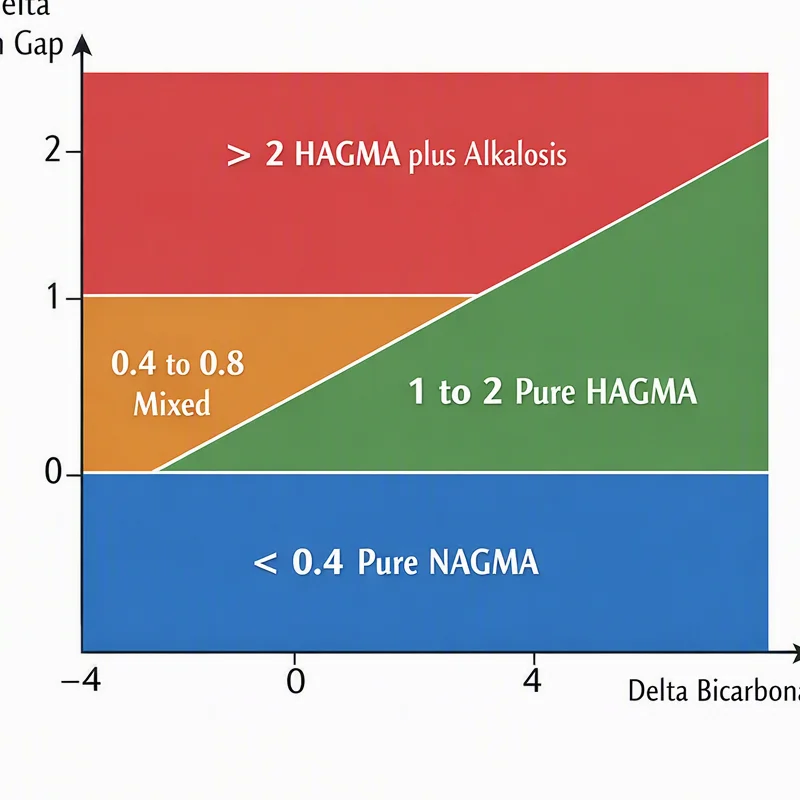
A common clue is pseudohyponatremia, where sodium appears low because the measurement method is affected by excess lipids. This can create a confusing picture of low sodium or even apparent hyponatremia. The anion gap may then seem altered, but the abnormality may be due to the testing method rather than real electrolyte imbalance.
Hyperlipidemia is often associated with elevated cholesterol and triglycerides, but triglycerides are the component most often linked to this kind of interference. The greater the triglycerides, the more probable the sample may become lipemic and produce a inaccurate result. That is why clinicians keep in mind the possibility of sample distortion when the numbers do not align with the patient’s overall condition.
Why exactly Lipids Might Distort Electrolyte Measurements
To grasp the problem, it helps to know how different instruments measure electrolytes. Many laboratories use an indirect ion-selective electrode method, which dilutes the sample before measuring the ions. In contrast, a direct ion-selective electrode measures the sample without that dilution step.
With marked lipemia, they reduce the proportion of water in the plasma. Since sodium and other electrolytes are dissolved in the water portion of blood, a lower plasma water fraction can confuse methods that assume a normal balance of water and solids. Here is where, water displacement and plasma dilution effects become important.
With an indirect method, the analyzer may effectively underestimate the true concentration of sodium in the water phase because the fatty portion takes up space in the specimen. That creates a spurious result and can make the sodium appear lower than it really is. The direct method is usually less vulnerable because it measures the sample more directly, with less influence from solids.
This is a well-known lab methodology issue. The patient’s physiology may be unchanged, but the reported number shifts because of the measurement process. That is why a lipemic sample can lead to a measurement artifact rather than a true electrolyte disorder.
In practice, the key issue is diagnostic accuracy. If the sodium value is wrong, the anion gap can also be wrong. For that reason, clinicians often verify the result with a different platform or a repeat sample when lipemia is suspected.
Anion Gap vs. Pseudohyponatremia
Pseudohyponatremia is among the key ways hyperlipidemia can influence an anion gap calculation. It refers to a falsely low sodium result produced by the testing method, not by actual depletion of sodium from the blood. The patient may have a low reported sodium level, but the true serum osmolality may remain normal.
This distinction matters because true hyponatremia can have serious clinical consequences, while pseudohyponatremia is primarily a laboratory issue. If the sodium number is falsely low, the anion gap can also seem abnormal because sodium is part of the calculation. What looks like a major chemistry problem may actually be a lab error or a method-related distortion.
Checking serum osmolality helps distinguish the two. In pseudohyponatremia, serum osmolality is often normal or near normal, which suggests the sodium value is not truly reduced in the body water compartment. That finding suggests the idea of analytical distortion instead of a real fluid or electrolyte problem.
So while the term “low sodium” may appear on the report, the actual issue may be a test limitation. This is why clinicians do not interpret the anion gap in isolation when hyperlipidemia is present. The result must be compared with the patient’s symptoms and the rest of the electrolyte panel.
When a Elevated or Low Anion Gap Indicates Another Issue
Not every abnormal anion gap in a person with hyperlipidemia is caused by lipids. The result can still reflect a true medical condition, especially if the patient has symptoms or other lab abnormalities. A high gap can point to acid-base acidosis, including causes such as lactate acidosis or ketone buildup.
Albumin also plays an essential role. Because albumin is an unmeasured anion, low albumin can lower the anion gap and mask an acid-base disorder. In a patient with both hyperlipidemia and low albumin, the interpretation becomes more complex. The corrected anion gap may be more useful than the unadjusted value in this case.
On the other hand, a low anion gap can sometimes reflect analytical issues or a real shift in measured values. It can also occur with certain paraproteins or other conditions, so it should not be assumed to be caused by lipids alone. The main point is that the anion gap is a clue, not a diagnosis.
When evaluating a result, clinicians should ask whether the pattern fits the patient’s acid-base status. If the bicarbonate is low and symptoms suggest acidosis, then the result may be clinically significant. If the numbers are odd but the patient looks well and the sample is lipemic, then measurement artifact becomes more likely.
How Practitioners Should Interpret Findings
Reading the results starts from the electrolyte panel and the patient’s general condition. Should the anion gap appears unusual, the first step is to check the sodium, chloride, and bicarbonate values together rather than looking at one number alone. This helps identify whether the pattern makes physiologic sense.
If a lipemic sample is present, clinicians may consider sample interference. In that case, repeat testing on a new specimen can assist confirm whether the abnormality persists. When feasible, the lab may use a different method, such as a direct ion-selective electrode, to limit distortion.
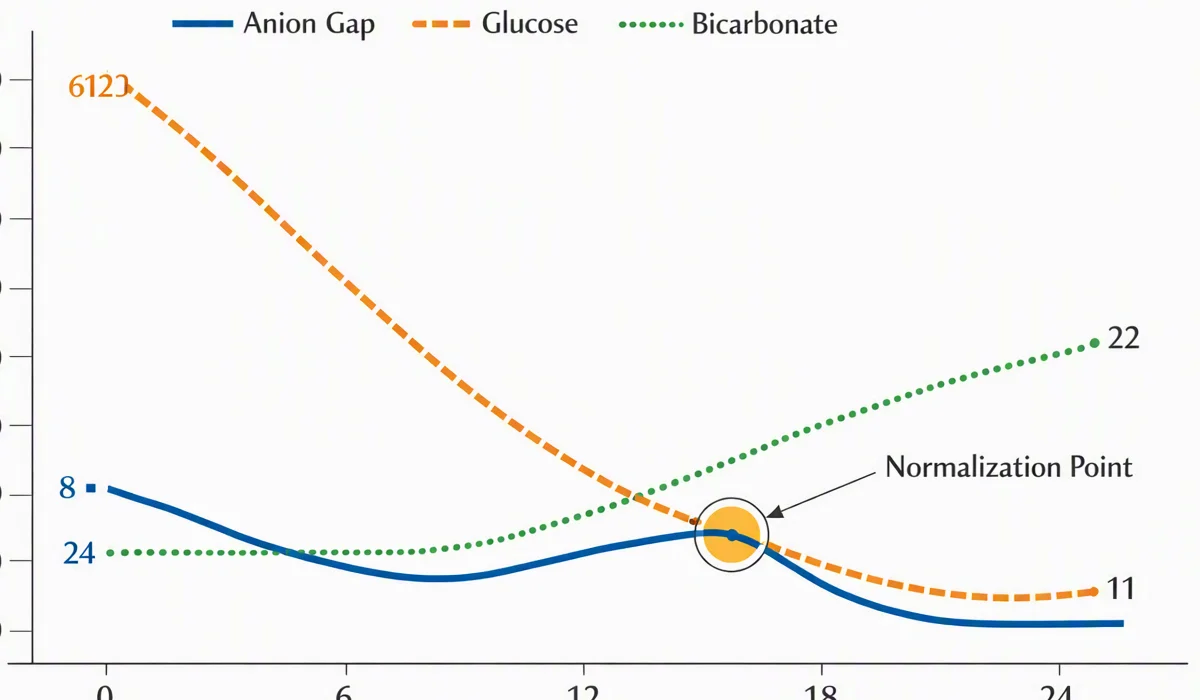
Strong clinical context is crucial. A patient with abdominal pain, nausea, or rapid breathing may call for further evaluation for acidosis, while someone who feels well but has marked lipemia may simply have an analytical issue. The goal is to determine whether the result reflects real disease or a test limitation.
Because the anion gap is derived from multiple measurements, even a small change in one electrolyte can change the calculated value. That is why clinicians monitor the overall trend, not just a single result. In some situations, a corrected anion gap may be applied after accounting for albumin or when there is concern that the basic data are unreliable.
In the end, the best approach combines blood chemistry, symptoms, and lab methodology. If the numbers do not fit, a second look can avoid unnecessary treatment and increase diagnostic accuracy.
When to Seek Medical Assessment
Even though hyperlipidemia itself may only cause a lab artifact, highly high triglycerides can signal a significant health risk. Marked hypertriglyceridemia may be associated with pancreatitis, which is a medical condition that demands prompt attention. The presence of abdominal pain, vomiting, fever, or worsening illness should not be ignored.
Symptoms matter because they help distinguish a simple reporting problem from a true emergency. When the patient has concerning symptoms alongside an abnormal anion gap, a broader medical evaluation is appropriate. Shortness of breath, confusion, severe weakness, or persistent vomiting may point to an acid-base disorder or another urgent condition.
Those with marked triglyceride elevation should contact a clinician for assessment, especially if the blood sample was visibly lipemic or the lab flagged interference. A delayed diagnosis can occur if clinicians assume every abnormal sodium or anion gap value is purely analytical. At the same time, it is important not to dismiss a real problem as just a test artifact.
If there is any uncertainty, urgent care or emergency evaluation may be needed, particularly when symptoms are severe or rapidly worsening. The decision depends on the full clinical picture, not the anion gap alone.
FAQ
Can hyperlipidemia cause an abnormal anion gap?
Yes, but not usually directly. Hyperlipidemia can cause laboratory interference, especially when a lipemic sample affects sodium measurement. That can lead to an abnormal anion gap even though the patient’s true acid-base status may be unchanged. In many cases, the issue is a measurement artifact rather than a real metabolic problem.
Does high triglycerides affect the anion gap calculator?
High triglycerides can affect the anion gap calculator if they distort the sodium result used in the formula. Since the calculator depends on accurate blood chemistry values, any sample interference can change the output. The calculator itself is not faulty; the input values may be distorted.
How does hyperlipidemia cause pseudohyponatremia?
Hyperlipidemia can lead to pseudohyponatremia when excess lipids decrease the plasma water fraction and affect methods that rely on dilution. In an indirect measurement system, sodium may appear falsely low because the test assumes a typical amount of water in the sample. The result is a spurious low sodium reading rather than true hyponatremia.
What lab method is most affected by lipids?
The indirect ion-selective electrode method is more susceptible by lipids than the direct ion-selective electrode method. The indirect approach is more sensitive to water displacement and plasma dilution effects in a lipemic sample. This is why lab methodology plays such a key role for diagnostic accuracy.
Should an abnormal anion gap be repeated if the sample is lipemic?
Yes, repeat testing is often warranted if the sample is lipemic and the result does not fit the clinical context. A repeat electrolyte panel can show whether the abnormality was due to lab error or a true disorder. If needed, clinicians may request a method less prone to interference to improve clinical interpretation.