How the Anion Gap
What Is the Anion Gap?
The anion gap is a calculated value that helps clinicians understand the balance between positively and negatively charged particles in the blood. It is typically calculated from routine electrolytes on a chemistry test, especially sodium and chloride, along with bicarbonate, to estimate whether there are extra acids in the bloodstream.
In basic terms, the anion gap is part of lab interpretation for acid-base balance. A normal result indicates the major charged particles are in expected balance, while an elevated result can point to an acid-base disorder such as metabolic acidosis. Because many acids are not directly measured, the gap acts as a diagnostic marker for unseen acid excess, or unmeasured anions.
A standard anion gap calculator uses blood chemistry numbers from a serum chemistry panel or electrolyte panel. Most calculators focus on sodium, chloride, and bicarbonate, and some also include potassium. That makes the calculation a fast method to support clinical evaluation, but it does not take the place of a full medical assessment.
How Kidney Disease Alters the Anion Gap
Kidney disease affects the anion gap because the kidneys normally clear acid and maintain stable serum electrolytes. When renal impairment weakens that ability, the body may retain acid and acidic metabolic waste. Over time, this can lead to acid retention, acid accumulation, and ultimately systemic acidosis.
In chronic kidney disease, failing kidneys gradually forfeit the ability to excrete acids and restore bicarbonate. As bicarbonate declines, the blood’s buffer system weakens, which contributes to decreased bicarbonate and metabolic acidosis. At the same time, unmeasured acids can accumulate in the blood, causing an elevated anion gap.
These extra acids are often referred to as unmeasured anions because they are not directly shown on a routine panel. The increased gap reflects the presence of retained acids from reduced kidney clearance and abnormal metabolism. This is why the anion gap can be a helpful clue when evaluating kidney function and renal failure.
Kidney disease does not always produce the same pattern, though. Depending on the stage and cause, the dominant issue may be acid retention with extra unmeasured anions or a change in chloride handling that produces a normal-gap pattern. That is why the anion gap should be interpreted with the rest of the blood chemistry, not in isolation.
The Anion Gap during Early vs Severe Kidney Disease
In early kidney disease, the glomerular filtration rate may be reduced only slightly, so the kidneys can still eliminate some acid. In this period, the anion gap may remain normal, or bicarbonate may begin to drift downward before the gap changes much. This is one reason early disease can be easy to miss on routine blood testing.
As kidney disease advances, uremia becomes more noticeable and the body accumulates more metabolic waste. Uremic acids contribute to a elevated anion gap because they behave like unmeasured anions. Advanced disease is therefore more likely to cause high anion gap metabolic acidosis, especially when renal function is significantly impaired.
The relationship between bicarbonate and the anion gap is key here. A falling bicarbonate level often signals declining acid-base status, but the anion gap helps show whether the lost bicarbonate is being replaced by chloride or by retained acids. In other words, the gap helps differentiate the type of acidosis, not just its presence.
In some patients, advanced kidney disease can also coexist with a normal anion gap pattern if chloride rises as bicarbonate falls. This makes the lab picture more multifaceted and highlights why clinicians review the full chemistry profile, including serum creatinine and blood urea nitrogen, before drawing conclusions about renal function.
How to Use an Anion Gap Calculator
An anion gap calculator is a basic tool that derives the gap from lab values commonly found on a serum chemistry panel. It typically requires sodium, chloride, and bicarbonate. Some formulas also add potassium, though many standard calculations omit it because potassium is relatively low in the blood compared with sodium.
To operate the calculator, enter the anion gap clinical significance results from the blood test carefully as reported. The tool performs the anion calculation and gives a number that can be compared with the usual reference range used by the lab. A higher number suggests extra unmeasured acids, while a normal number suggests the balance may be preserved or that bicarbonate loss is being offset by chloride.
This is where blood chemistry interpretation matters. The anion gap should be reviewed alongside other markers of kidney function such as serum creatinine and blood urea nitrogen, plus any signs of electrolyte imbalance. If the numbers suggest a problem, the calculator can prompt further clinical evaluation.
It is also important to understand that calculators are aids, not answers. They help with pattern recognition, but the cause of an abnormal result still depends on symptoms, medical history, and the broader electrolyte panel. A calculator may indicate a possible issue with acid-base balance, but only a clinician can determine whether the pattern fits kidney disease, another acid-base disorder, or something else.
High Anion Gap vs Normal Anion Gap in Kidney Disease
Kidney dysfunction can lead to either high anion gap metabolic acidosis or standard anion gap metabolic acidosis. The difference depends on what is happening to acids and chloride in the blood. In increased-gap states, acids are retained and accumulate as unmeasured anions. In standard-gap states, bicarbonate is lost or reduced, but chloride increases to compensate, producing chloride excess.
Increased anion gap metabolic acidosis is more common when uremic acids build up in advanced kidney dysfunction. This pattern points to acid retention and reduced clearance of metabolic waste. It often suggests more severe renal impairment and may accompany rising serum creatinine and blood urea nitrogen.
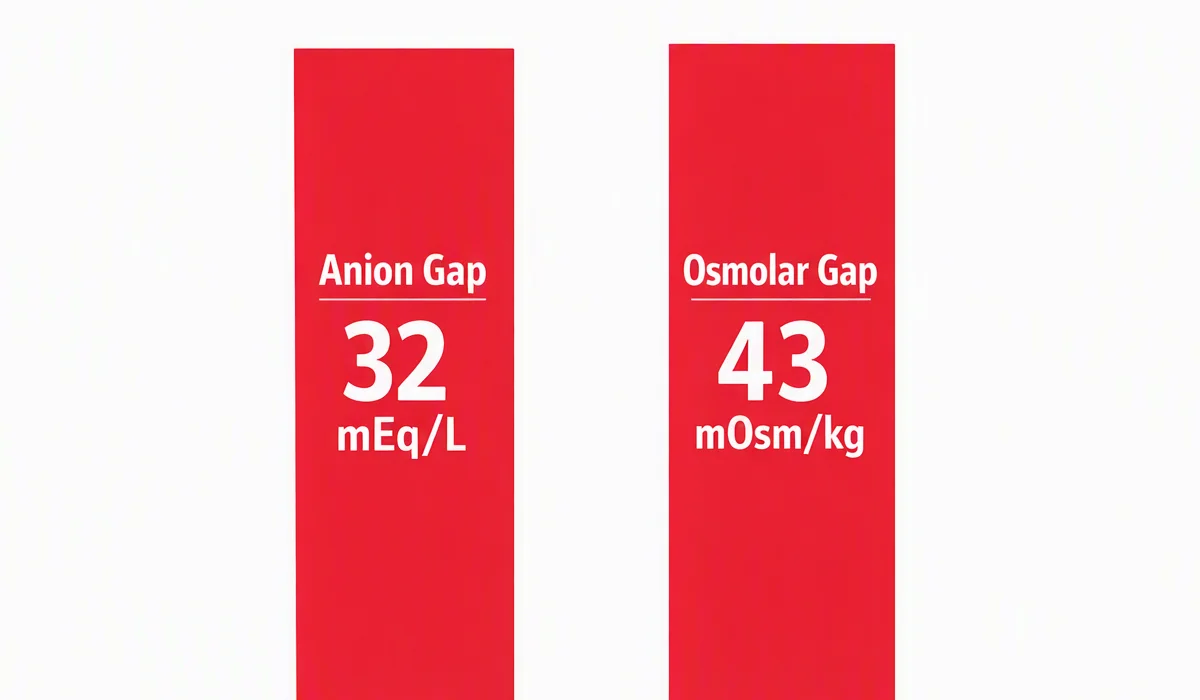
Normal anion gap metabolic acidosis can happen earlier https://anion-gap-guide106.zenbloomer.com/posts/interpreting-the-anion-gap-in-dka in the course of kidney disease or with certain tubular problems. In this setting, the body loses bicarbonate without a large increase in unmeasured acids. The result is a chloride rise that balances the charge, leading to a normal gap even though acidosis is still present.
The presence of chloride excess is a clue to this pattern. Because chloride rises as bicarbonate falls, the lab picture may show a “shift” in the electrolyte balance rather than a clear elevation in the gap. This is why the same kidney problem can produce different results depending on stage and physiology.
Other Reasons of a Increased Anion Gap to Review
Not every elevated gap is caused by kidney disease. A thorough differential diagnosis is essential because other conditions can also lead to metabolic acidosis. Among the most important are lactic acidosis, ketoacidosis, and contact with toxic alcohols.
Lactic acidosis happens when the body produces high levels of lactate, often due to poor oxygen delivery, shock, severe infection, or other serious illness. Lactate is an unmeasured anion and can elevate the gap even if kidney function is not the primary issue. In these cases, the blood chemistry may look similar to uremic acidosis, so clinical context matters.
Ketoacidosis is another common cause. It can occur in diabetes, prolonged fasting, or heavy alcohol use. Ketones behave as unmeasured anions and elevate the gap. Someone with kidney disease can also develop ketoacidosis, which makes interpretation more complex because several cause of acid-base disturbance may be present.
Toxic alcohols are also important to evaluate in severe unexplained high-gap states. These exposures can create severe acid-base abnormalities and require urgent assessment. Because kidney disease may coexist with these problems, the anion gap should be viewed as one part of a broader workup rather than a standalone answer.
Whenever an Atypical Anion Gap Needs Medical Evaluation
An unusual gap requires medical attention when it is found with symptoms of acidosis or additional concerning findings. These symptoms may include labored or rapid breathing, nausea, vomiting, confusion, fatigue, or increasing weakness. These symptoms can indicate impaired acid-base balance and possible electrolyte imbalance.
Within kidney disease, the complete picture is important. Increasing blood urea nitrogen and creatinine can point to worsening kidney function, especially when paired with an abnormal anion gap. When the chemistry panel also shows decreased bicarbonate, the suspicion for metabolic acidosis becomes higher. This is especially important in people with known chronic kidney disease or acute kidney injury.
Acute renal injury can cause a rapid shift in acid handling, sometimes more abruptly than chronic disease. The anion gap may rise swiftly if metabolic waste are retained and acid excretion falls. Because this can develop over hours to days, immediate clinical evaluation may be needed if the person feels ill or the lab changes are significant.
When a person has kidney disease along with an unexpected lab shift, the safest approach is prompt clinical review rather than waiting for symptoms to get worse. An abnormal gap can be an early sign of a significant acid-base disorder.
Doctors typically check the complete blood chemistry, including serum creatinine, blood urea nitrogen, bicarbonate, sodium, chloride, potassium, and related findings, before choosing on subsequent steps. Depending on the situation, this may lead to repeat testing, care for acidosis, or evaluation for another source of the abnormal result.
Frequently Asked Questions About Kidney Disease and Anion Gap
How does kidney disease affect the anion gap?
Kidney disease impacts the anion gap by impairing the kidneys’ ability to remove acid and preserve acid-base balance. As renal function declines, acids and other unmeasured anions can accumulate, which may cause metabolic acidosis and an elevated anion gap. In some cases, chloride goes up as bicarbonate falls, so the gap may stay normal even when acidosis is present.
Does chronic kidney disease always cause a high anion gap?
No. Chronic kidney disease does not necessarily cause a high anion gap. Early stages may show a normal gap or only mild changes in bicarbonate. A high anion gap is more likely when kidney function is more advanced and uremia leads to more acid retention and collection of unmeasured anions.
What does a normal anion gap mean in kidney disease?
A normal anion gap in kidney disease usually means the acidosis pattern is being offset by chloride, often called normal anion gap metabolic acidosis. This can happen when bicarbonate is depleted or reduced without a large buildup of unmeasured acids. Hyperchloremia is often a feature of this pattern.
Is it possible for an anion gap calculator diagnose kidney disease?
No. An Anion Gap Calculator cannot diagnose kidney disease by itself. It is a tool for blood test interpretation and acid-base balance assessment. Diagnosis depends on the full clinical picture, including serum creatinine, blood urea nitrogen, symptoms, medical history, and other blood chemistry findings.
When ought an abnormal anion gap be checked by a doctor?
An abnormal anion gap should be checked by a doctor when it is new, severe, or occurs with symptoms of acidosis, electrolyte imbalance, confusion, breathing changes, or worsening illness. It should also be reviewed if kidney function is declining or if there is concern for lactic acidosis, ketoacidosis, toxic alcohol exposure, or acute kidney injury.